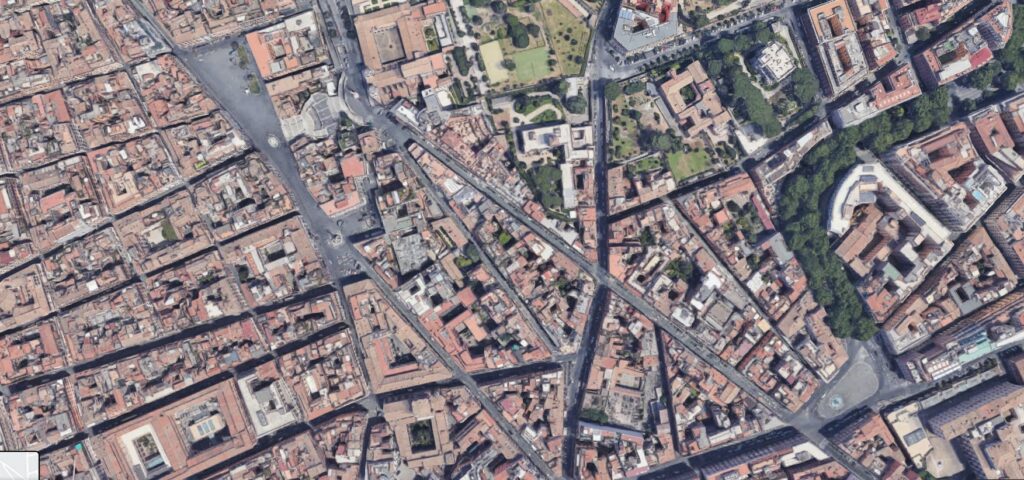
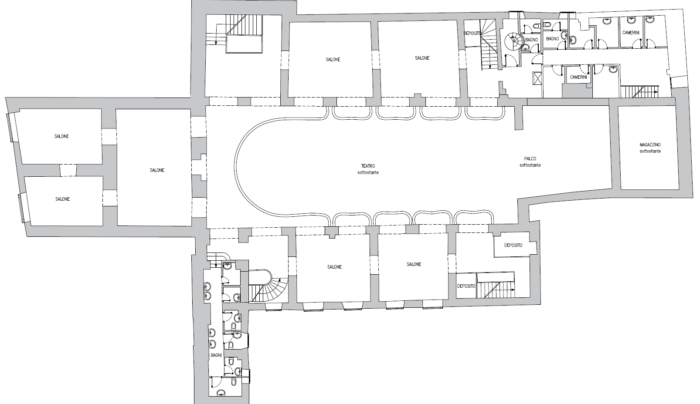
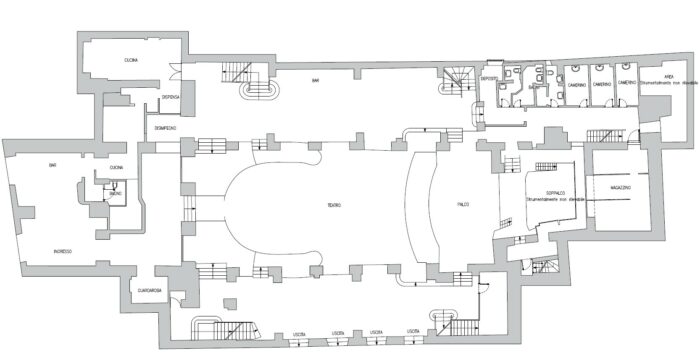
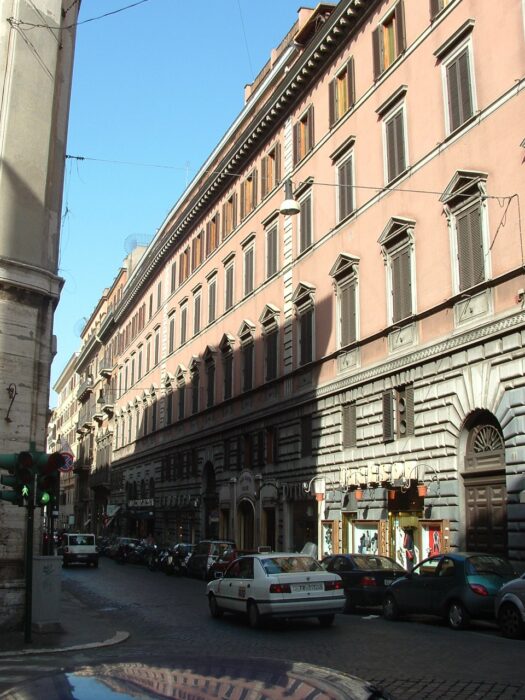
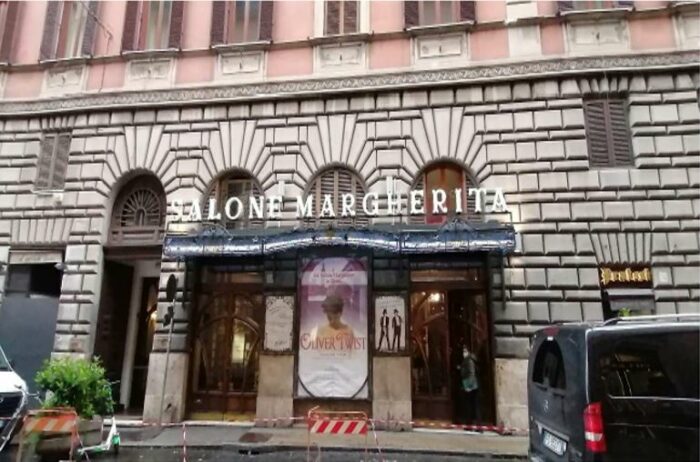
The Salone Margherita theatre occupies a longitudinal portion of the building erected in the second half of the 19th century, located on the corner between Via dei Due Macelli and Via di Capo le Case, within the Rione (central district) IV Campo Marzio, near the Rione III Colonna, in the territory of the I Municipio (municipality).
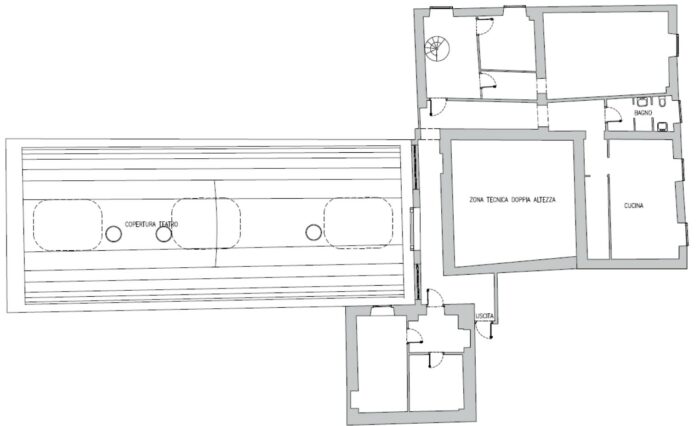
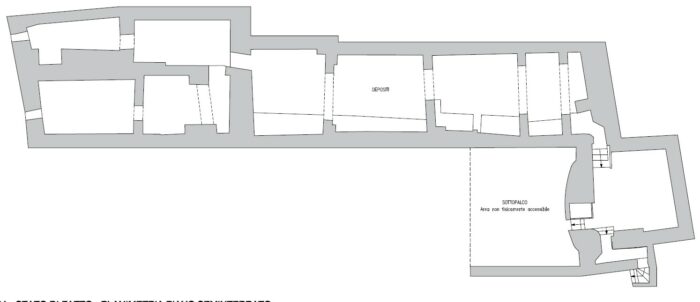
It is located at via Due Macelli n 74/75 and consists of three floors above ground and a basement.



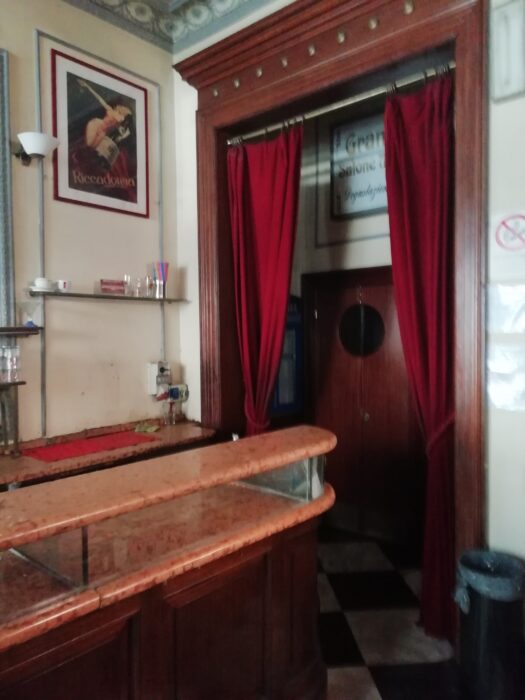
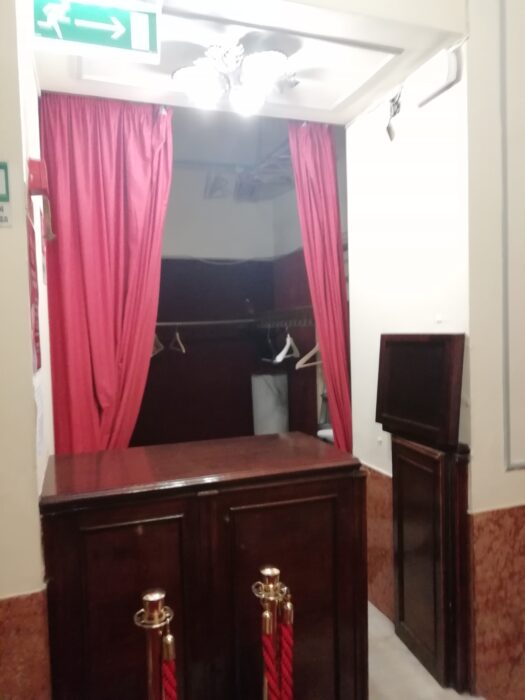
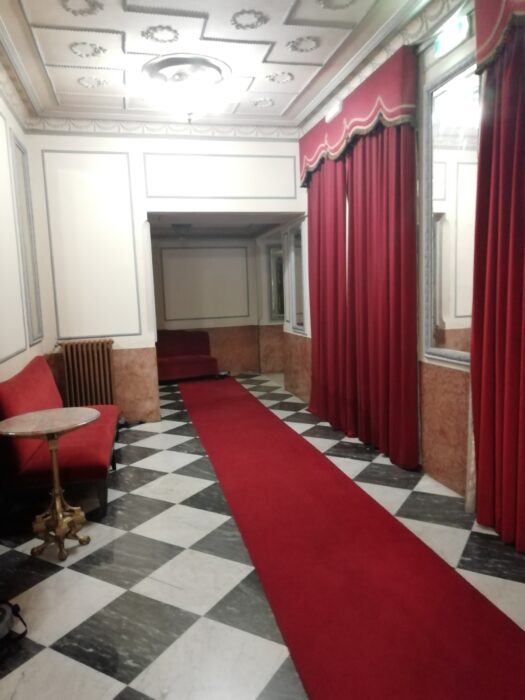


 Via Due Macelli, 74-75 - 00187 Roma (RM)
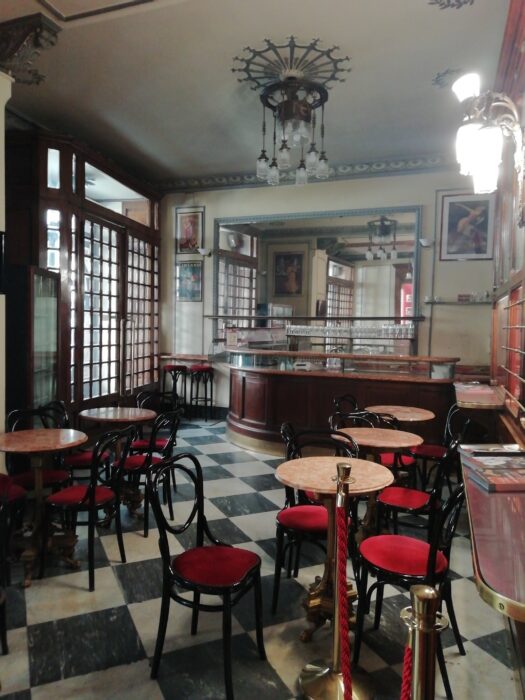
 Preceded by a coffee shop and opened around 1889 by G.B. Sommariva with the name of “Teatro delle Varietà”, the theatre was entrusted to the management of the company of the Marino brothers, the Neapolitan theatre entrepreneurs who in 1890 had inaugurated a Salone Margherita also in Naples, where it was set up in the Galleria Umberto I. The “Teatro delle Varietà” was established in the area of an industrial building which had been home to the first Roman Peroni beer factory. Following the transfer of the brewery, the building, owned by the Bank of Italy, arose in place of the factory. On the ground floor, such building included the theatre, soon transformed into the “Salone Margherita” in homage to Margherita of Savoy, first queen of the Kingdom of Italy.
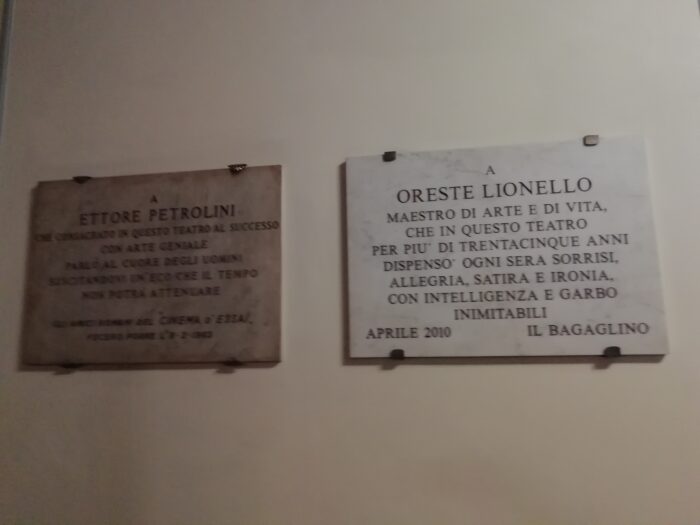
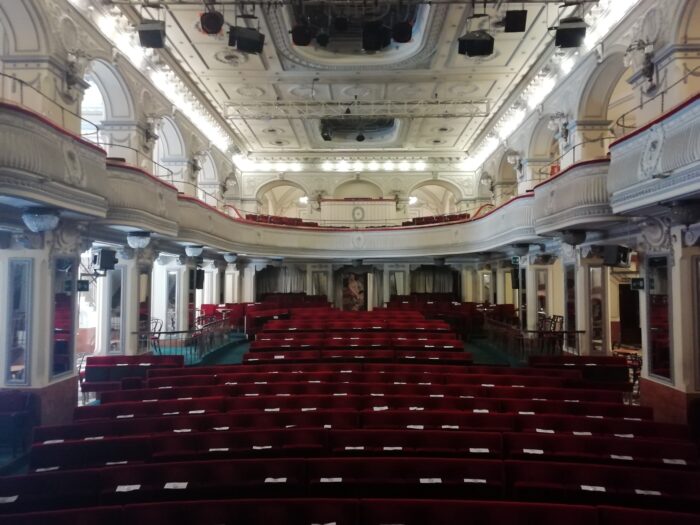
The very high audience turnout, and the consequent need to increase the theatre capacity and to improve the stage characteristics, lead to the decision in 1908 to enlarge the theatre, to create a balcony and to replace the platform with a stage, performed among others in those years by Ettore Petrolini, who played in the theatre of via Due Macelli for twenty-five theatre seasons, by Leopoldo Fregoli and by Raffaele Viviani.
A sign of the artists’ interest in, and frequenting, this place of entertainment is also shown in Giacomo Balla’s 1903-1904 paint Great Black Evening at the Caffè Margherita (Florence, private collection).
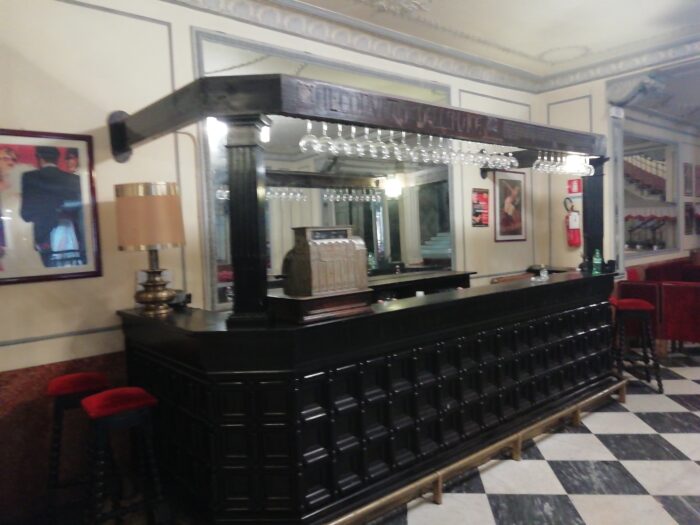
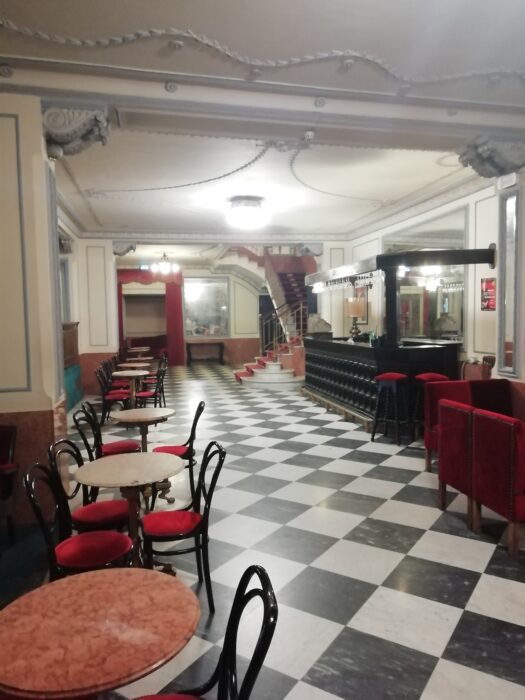
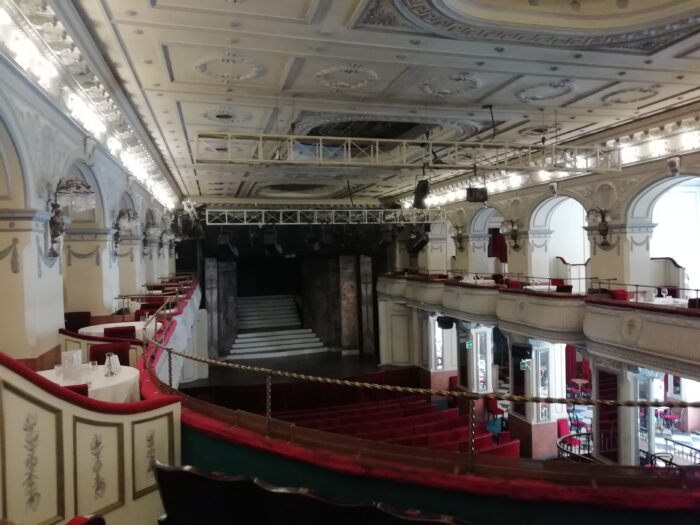
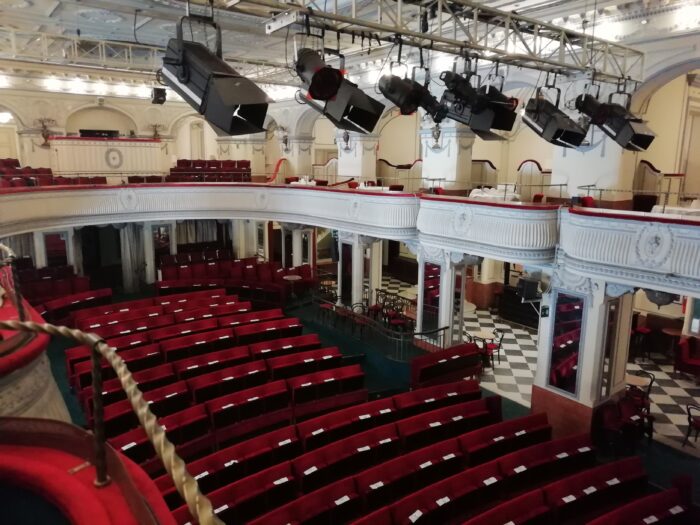
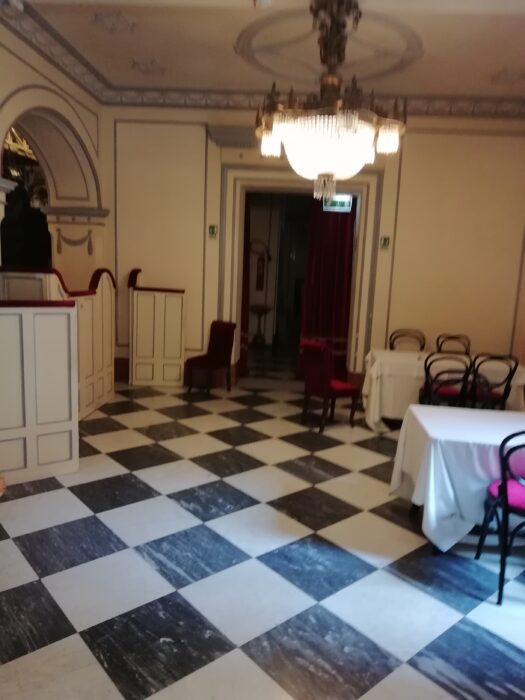
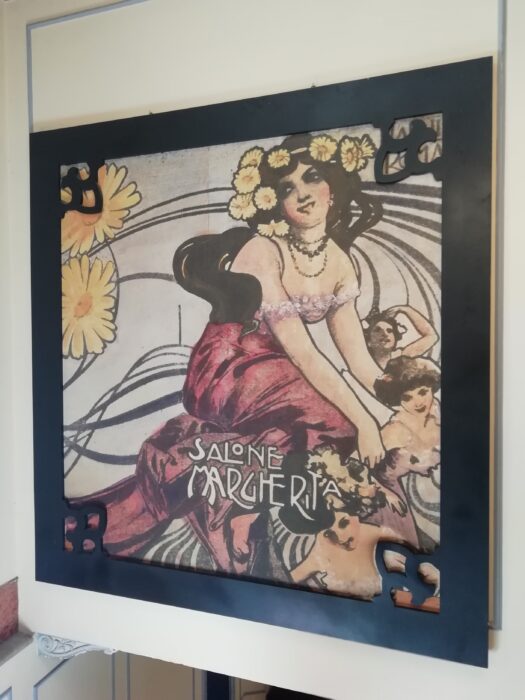
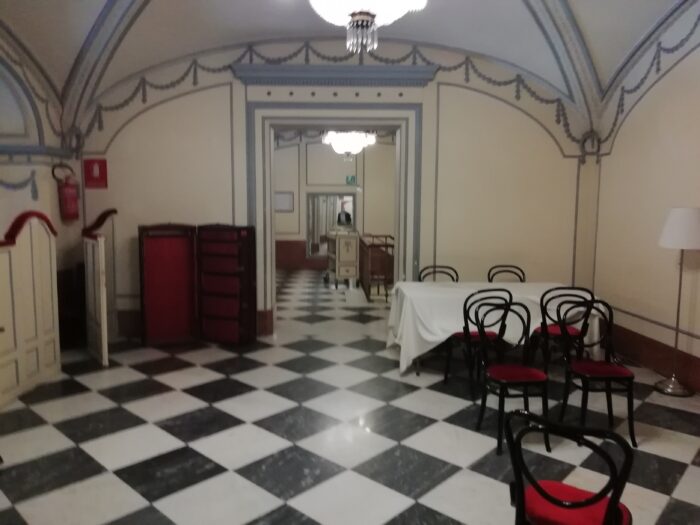
The Salone Margherita became the most luxurious stage in the capital city for its aristocratic environment, the stucco, gold and mirrors, the boxes, the balcony and the parterre with red velvet armchairs, and experienced exciting years coinciding with the spread of the aesthetic principles and lifestyle of the belle époque.
It represented the so-called variety theatre – the café chantant born in Paris at the Mouline Rouge and the Folies Bergères – in the Italian meaning of “café-concert” until World War II, when the genre of the revue and the so-called avanspettacolo took over from the variety show.
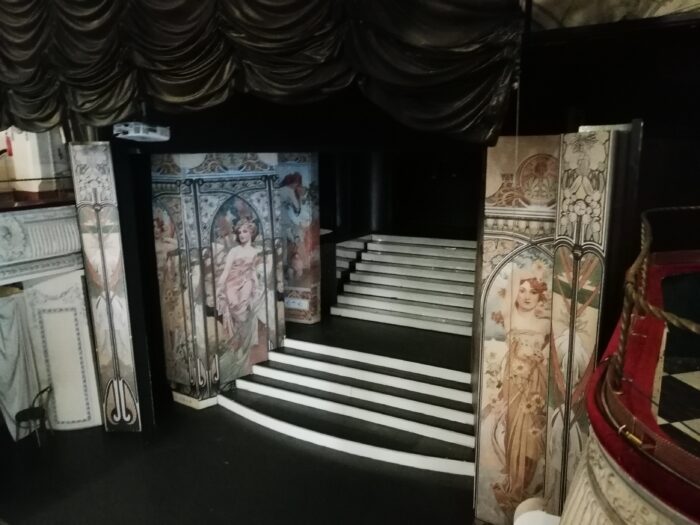
After a period of use as a cinema, the Salone Margherita returned to its original destination in 1972 with the settlement of the “Il Bagaglino” company, who performed highly successful satirical entertainment shows and texts very often, if not exclusively, expressed in Roman dialect, restoring the system of platforms among the café tables used for the consumption of food and drinks during the shows, deferred broadcast live on television by RAI and later by Mediaset.
Currently the property has the intended use D/3: theatres, cinemas, concert and show halls and similar (for profit) and has a capacity of approximately 380/450 seats.
The property is restricted pursuant to Legislative Decree 42/2004.
The property is located in the most exclusive historic center of the city (Unesco site), near Piazza di Spagna-Scalinata di Trinità dei Monti. In the area there are the most important institutional headquarters, including Palazzo del Quirinale, Montecitorio and Palazzo Chigi, as well as numerous buildings and monuments of historical-artistic interest such as the Basilica of Sant’Andrea delle Fratte, the Trevi Fountain, the Mausoleum of Augustus and the Ara Pacis, the Pantheon, the Temple of Hadrian, as well as the main shopping streets, including Via Condotti, Via del Corso, Via Frattina, Via del Tritone/Piazza Barberini.
Located in a limited traffic area, it can be reached via Metro Line A at the Piazza di Spagna – Barberini stops and with the public transport service.
The Salone Margherita theatre occupies a longitudinal portion of the building erected in the second half of the 19th century, located on the corner between Via dei Due Macelli and Via di Capo le Case, within the Rione (central district) IV Campo Marzio, near the Rione III Colonna, in the territory of the I Municipio (municipality).
It is located at via Due Macelli n 74/75 and consists of three floors above ground and a basement.
Via Due Macelli, 74-75 - 00187 Roma (RM)